Pay-Per-View UGC Campaigns, Explained for Brands
There are three ways to buy short-form attention: pay for placement, pay per post, or pay for reach delivered. This is what the third one costs, what you control, when it is the wrong tool, and how to set up a first campaign without fooling yourself.

There are three ways a brand buys short-form attention, and most marketing teams have only ever used two of them.
You can pay for placement, which is advertising. You can pay per post, which is influencer marketing. Or you can pay for reach that was actually delivered, which is what a pay-per-view UGC campaign is.
The third one behaves differently enough from the first two that teams apply the wrong instincts to it and conclude it does not work.
Placement, post, or delivered reach
Paying for placement means you buy impressions from the platform and control targeting, creative and timing completely. You pay whether or not anyone cares. The cost of being ignored is yours.
Paying per post means you buy one creator's audience and endorsement. You agree a fee before anything happens, and if the post lands flat you paid anyway. What you bought was the creator's name, and the reach was a hope attached to it.
Paying per delivered view means you fund a budget and a rate, hand a brief to many creators, and pay for the views their clips genuinely earn. A clip that reaches nobody costs you nothing. A clip that reaches half a million costs you exactly the rate times the reach.
That is the structural difference. In the first two models you carry the risk of underperformance. In the third, that risk sits with the person who made the clip.
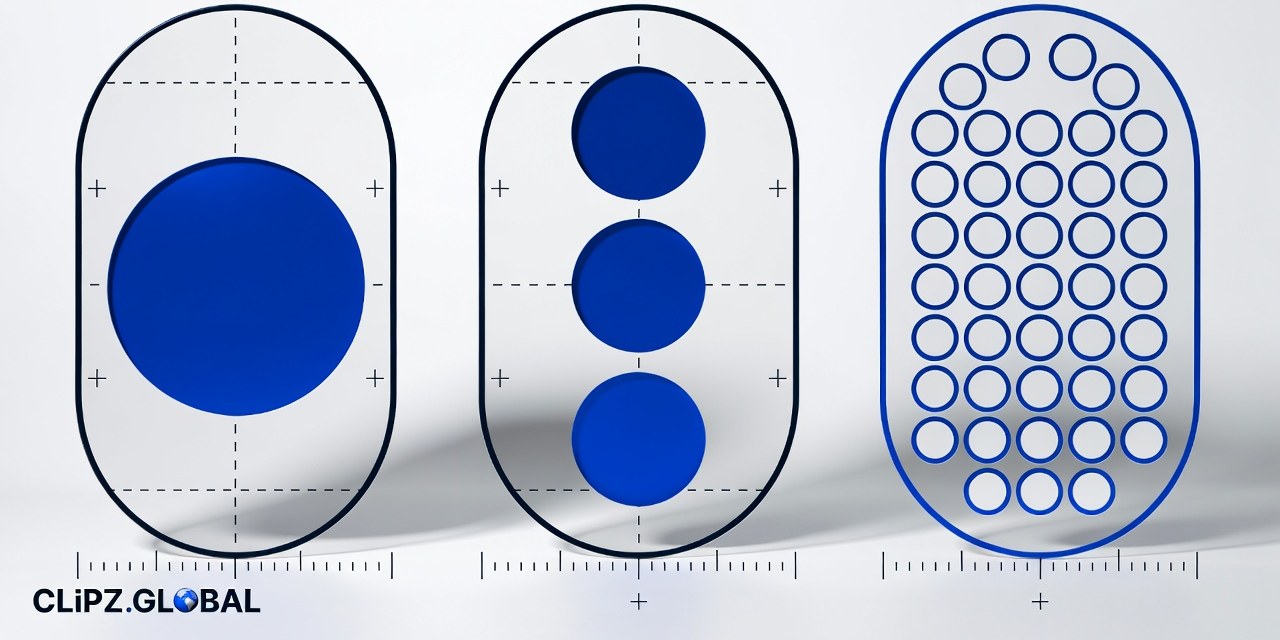
The arithmetic, side by side
Take a budget of five thousand and run it three ways. These are illustrative figures, not quoted rates, and your own numbers will differ by category and territory.
As paid placement at a ten unit CPM, five thousand buys five hundred thousand impressions. Every one of them is interruptive, and roughly none of them are shared.
As one influencer post, five thousand is a mid-tier creator with a few hundred thousand followers. You get one post, one moment, one aesthetic, and a reach figure you will not know until afterwards.
As a pay-per-view campaign at two units per thousand views, five thousand buys two and a half million views if the budget runs at rate. Spread across dozens or hundreds of clips, each one native to the account it was posted from, each one competing for distribution on merit.
The third column is not automatically the right answer. It is the right answer when reach and repetition matter more than message control, which is a real condition and not always yours.
What you control, and what you do not
You control the brief, the assets, the rules, the rate, the budget, and which clips get approved. That is more control than most teams expect, and it is where the entire quality of the outcome is decided.
You do not control which clips take off. That is the trade. You are buying access to a distribution engine that rewards whatever it rewards, and it does not consult your brand guidelines when deciding.
Teams that struggle with this are usually trying to make every clip look like an ad they signed off. The clips that work are the ones that look like the feed they are in. If your brief is a list of mandatory frames, you have rebuilt advertising with extra steps and none of its targeting.
When clipping is the wrong tool
It is the wrong tool when message precision matters more than reach. Regulated claims, medical, financial products, anything where a paraphrase creates a liability.
It is wrong when you need guaranteed delivery on a fixed date. Campaigns build, and a launch that needs a specific number of impressions on a specific morning is an advertising problem.
It is wrong when your product needs explaining before it is interesting. Short-form rewards immediate comprehension, and complex propositions die in two seconds.
And it is wrong when you have no assets. A campaign with nothing to cut from produces clips built out of stock footage and your logo, which reaches people and persuades nobody.
Setting up the first campaign
Pick one objective. Awareness or installs or footfall. Campaigns aiming at three things brief badly and measure worse.
Give clippers something real to cut. Product footage, existing ads, founder clips, customer video you have rights to. The single largest quality lever, and it costs you nothing because the material already exists.
Write the rules as short prohibitions, not long requirements. Three things they must not do beats fifteen things they must include, every time.
Set the rate against what the view is worth to you, not against what feels cheap. If a thousand views of your product is worth four units to you, do not set the rate at one and wonder why volume is thin.
Start with a budget you would be relaxed about losing entirely. Treat the first campaign as the thing that teaches you your own rate and your own brief.
Measuring it without fooling yourself
Count views, obviously, but do not stop there or you will learn nothing.
Cost per thousand delivered views is the number that lets you compare this against every other channel you buy. It is the honest comparison and frequently an uncomfortable one for your existing media plan.
Clip spread matters more than clip count. Twenty clips from twenty different angles teaches you which angle works. Two hundred identical clips teaches you nothing and probably suppressed its own distribution.
Watch for search and direct traffic lift during the campaign window. Short-form rarely drives clicks and often drives people to look you up separately, which attribution models miss and your search console does not.
Ignore engagement rate as a headline. On clips that reach far beyond a follower base, the denominator is strangers, and the number tells you little that raw reach did not already say.
Common questions
How is this different from a UGC agency?
An agency produces content for you to distribute, and you pay for the production. A pay-per-view campaign pays for distribution that already happened, and the production is a side effect. Different purchase entirely, and they are not mutually exclusive.
What happens if a clip goes wrong for the brand?
This is what approval and clear prohibitions exist for, and why the do not do this list matters more than the wish list. Campaigns can require approval before a clip counts, which is slower and worth it for brands where tone is load bearing.
Can this drive installs or sales, or is it only awareness?
Both, with a caveat. Short-form drives discovery reliably and clicks unreliably. Campaigns aimed at installs work best when the product is instantly legible on screen and the name is easy to remember and search. If your funnel needs a landing page to make sense, pair the campaign with search coverage.
How big does the budget need to be?
Smaller than most teams assume for a first test, because the point of the first campaign is to find your rate and fix your brief. Big enough that clips actually get made, small enough that the lesson is cheap. Scale after the second campaign, not the first.