App Installs From Short-Form Clips: The Funnel That Works
Views are not installs. What sits between a clip in the feed and an opened app, which products this sells and which it does not, and why the store page decides more of the result than the clip does.
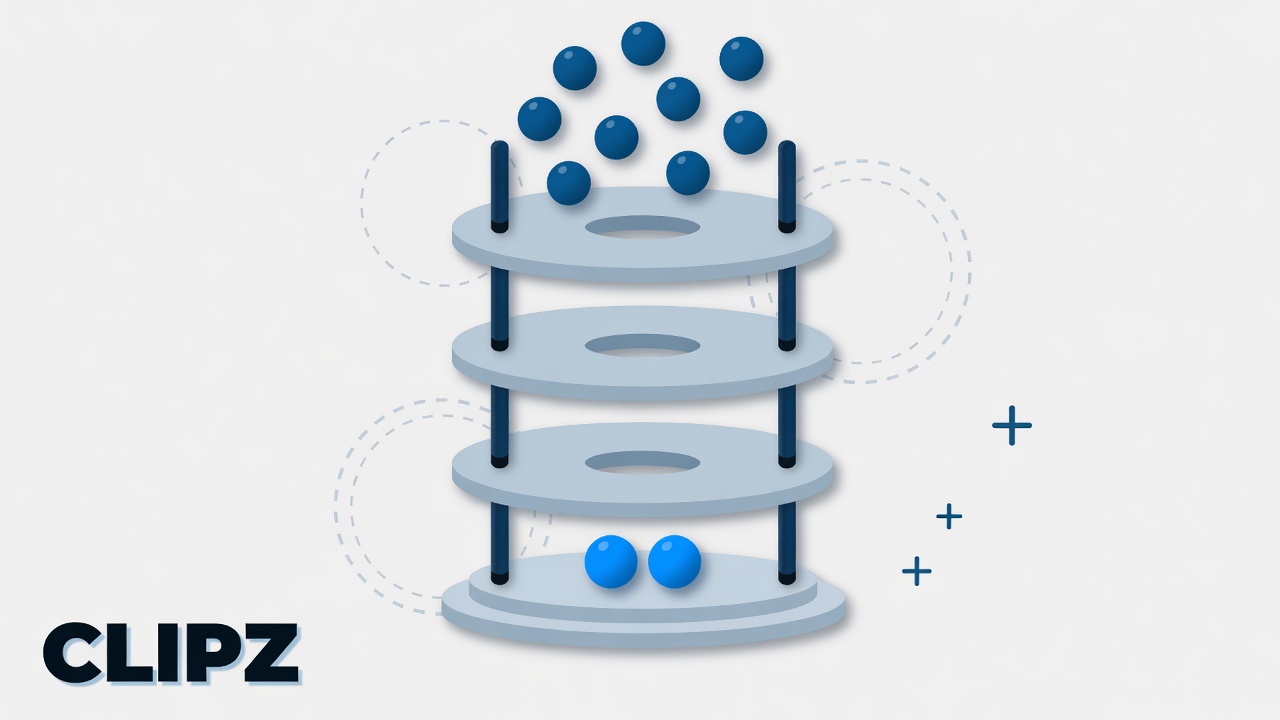
Nothing in the gap between a view and an install closes itself. A clip of an app can do two hundred thousand views in a week when the store chart does not move at all. That gap is the subject. Between a clip and an install sit a person's memory and a listing you have not edited since launch. Pay-per-view UGC campaigns explains the buying model. This is where the app version of it leaks.
There is no tappable link under the post
A clipper posts natively, on their own account. There is no install button under the post, no link sticker you control, no card that opens the store.
So the path is watch, remember a name, type that name into a search box later. Every step there is a leak, and the name is the narrowest part. If your app is called an ordinary word, you are paying to send curious people to somebody else's listing.
Put the name on screen and in the caption. If you need a measured click path, you want a bought placement or an influencer deal. Clipping versus influencer marketing is that fork, priced per post.
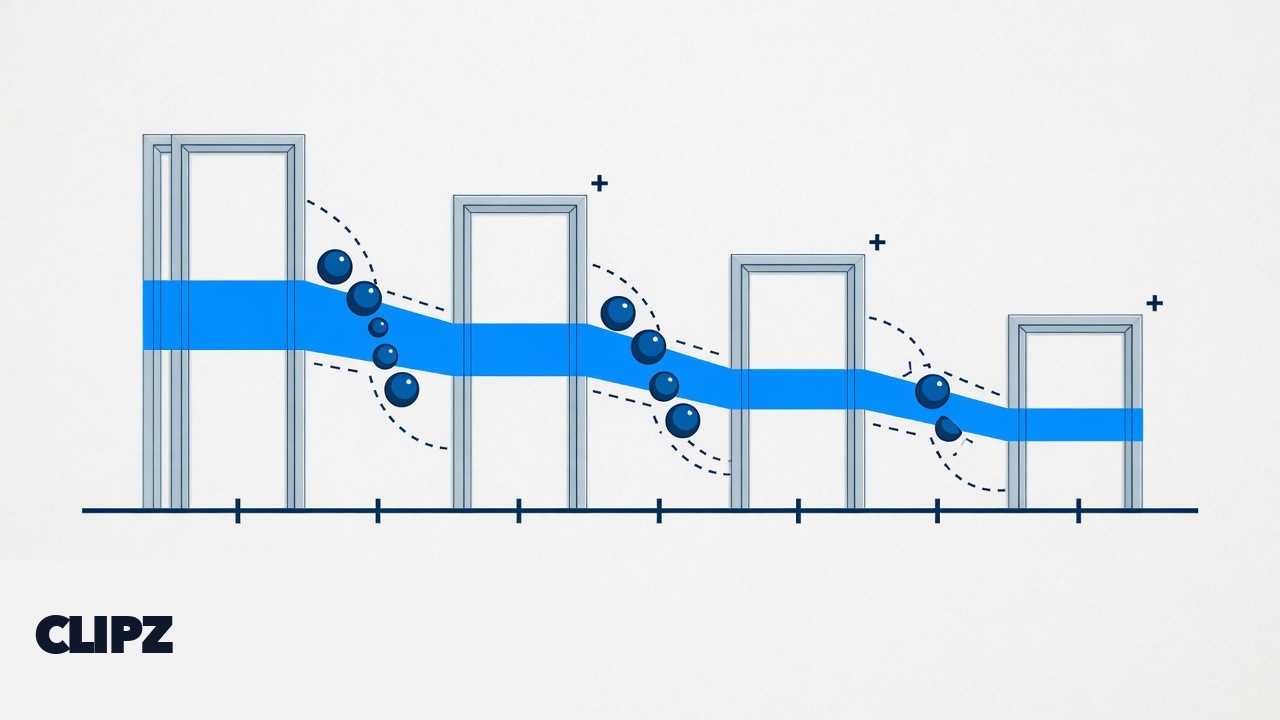
The store page is the second half of the clip
The clip sets an expectation. The listing either confirms it on the first screen or the person backs out, and you still paid for the view.
Read the icon, the first two screenshots and the first line as if you had just watched the clip. If the clip showed a result on screen, the first screenshot should show that same result. A carousel of feature slides is a different promise.
Clipping exposes a weak listing, it does not repair one. If the page has not been touched in a year, spend a week there first. A campaign running into a stale listing buys a clean view count and no users.
Which apps this actually sells
Products with a visible moment. Something happens on a screen and a stranger can tell that it happened: an edit finishes, a chart moves, a game does the thing.
Products that need ninety seconds of explanation are the wrong fit. So are tools gated behind an invoice, a bank connection or a work email. So is anything sold to procurement. A cheap rate does not make a wrong fit right, it spreads the same month of learning over more views.
Geography matters more than buyers expect. If the app only works in two countries, the GEO belongs on the brief, not in a message sent after the first clips land.
Budget it as a view buy, not an install buy
You fund verified views at a rate a clipper reads before cutting, not installs, and nobody honest quotes a per-install number on organic native posts.
The share of viewers who install anything is small. Usually a fraction of one percent, and a casual game and a finance app are not in the same conversation. A published benchmark there is either a different product or a guess.
So work backwards. Start from what a thousand verified views is worth to you, which is what a verified view should cost in your own arithmetic. Then fund one small campaign and read your install cost out of that run instead of out of somebody else's number.
An install is not where you stop counting
Curiosity installs churn. That is not a clipping problem, it is what any top-of-funnel channel delivers, and short-form is unusually good at producing people who tapped install and never opened the app twice.
A campaign can look excellent on install cost and poor at day thirty, because the clip promised a moment that your onboarding buries behind three permission screens.
Judge the run on installs still open a week later. If that number is thin, fix the first minute of the app before you scale the spend. Paying for more views into the same first minute is the most common way this budget is wasted.
Common questions
Can I pay clippers per install instead of per view?
No. A campaign pays on the post, not on what someone does after watching it: per verified view at a rate visible before anyone cuts, or a fixed amount for a clip that clears the brief. Paying on installs moves your product risk onto a stranger with a phone, and nobody posts.
How do I know the installs came from the clips?
You will not get a clean line from an organic native post to a store install on any platform. Read it from your own store numbers across a campaign window against the weeks before it. Treat that as a reading, not a receipt.
Our app needs a sign-up before anything happens. Will clips still work?
Less well, and you should assume that before you fund a month. Either let the clip show something past the sign-up so the promise is real, or move the wall. A clip cannot sell a screen nobody has seen.
Should I cut paid user acquisition to fund this?
Not in month one. Run the first campaign beside what you already buy, so you can see both numbers in the same weeks. Where your clips should run covers the platform question that usually comes next.