The Label Playbook: Clipping Across a Full Release Cycle
Labels treat clipping as a Friday stunt. A cycle treats it as three jobs: warm the sound, cover the drop, and keep catalogue alive. What sits in each window, who owns the brief, and the ways a roster burns the same budget three times.
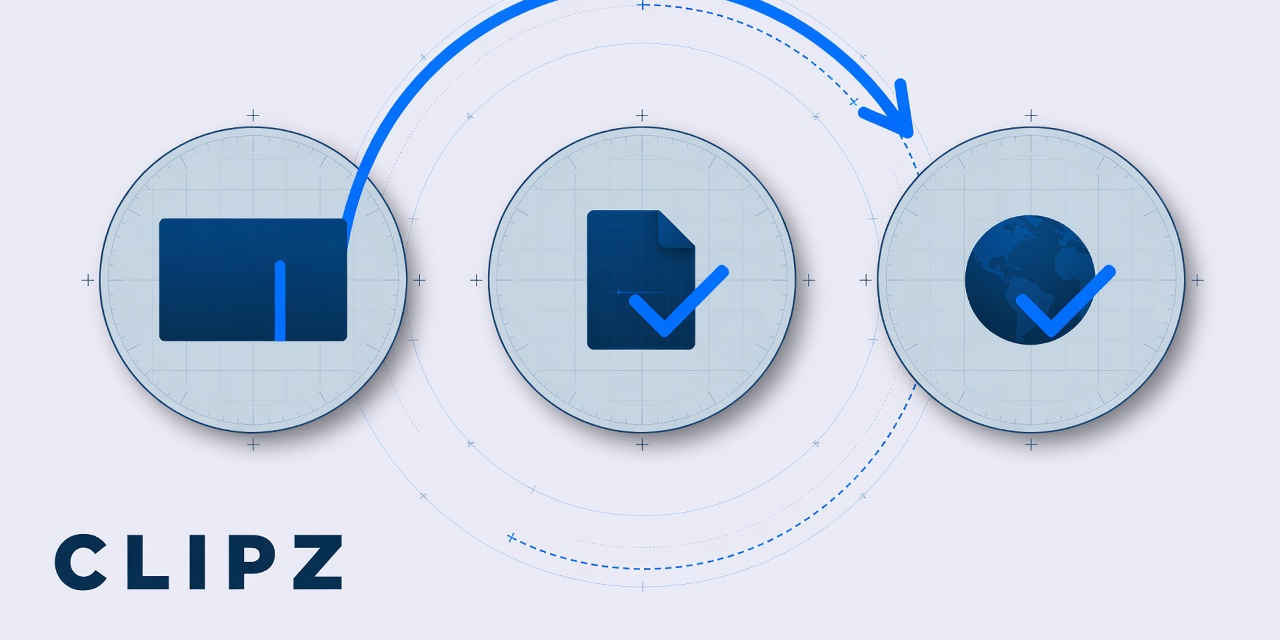
Most labels meet clipping on release Friday. The track is already out, the playlist meeting is today, and someone is asked to "get some clips up".
That is a stunt. A cycle is three windows: before the drop, the week of, and everything after, including catalogue that nobody is pitching this quarter. How music clipping campaigns work is the sequence for one run. This is how a roster uses that sequence more than once without starting from zero every time.
The cycle, not the stunt
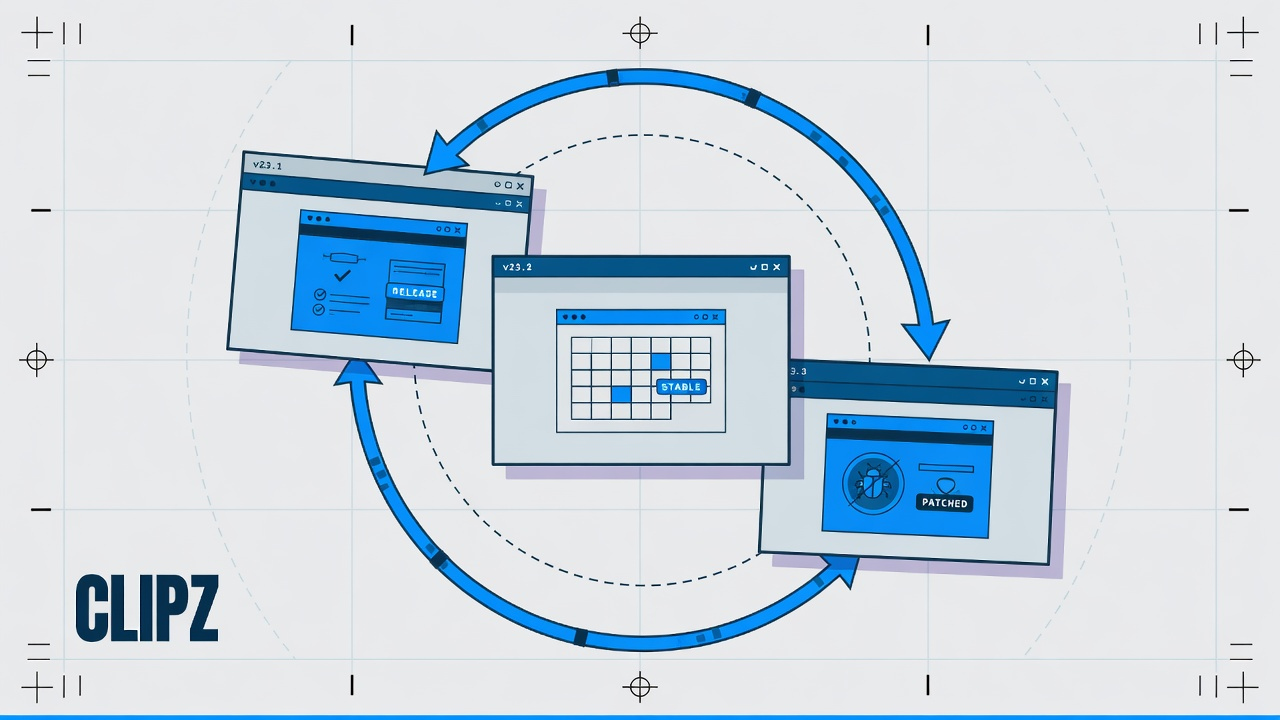
A stunt has a date and a panic. A cycle has a sound that already exists in the feed when the track lands, a burst that covers the week people actually search, and a cheaper tail that keeps older cuts in rotation.
You do not need three campaigns for every single. You need to know which window you are in, because the brief, the rate and what you count as success all change.
What it costs to promote a song is the budget math. Spend it in the wrong window and the math still adds up. The streams do not.
Before the drop
Clips need days. If the playlist meeting is Friday, the campaign started two weeks ago. The job in this window is not streams. It is the official sound being used, in enough different rooms that the feed already treats it as something people cut to.
Brief the hook, not the rollout story. Clippers do not owe you a trailer. They owe you a cut that starts on the line. TikTok promotion for artists is why the sound page matters more than the artist account.
Keep the first budget small enough that a dead hook is a cheap lesson. If nobody picks it up, you did not fail the cycle. You learned the segment is not a hook, while you still had time to change it.
Drop week
This is the window people overfund. The track is out, so every clip is expected to print streams by Sunday. Short-form does not work on that clock. What you want in drop week is volume of native posts in the markets you actually sell, using the official sound, without a storyboard.
Do not require a face. Do not require the cover art. Do not start a second campaign with a different hook because the first forty-eight hours felt quiet.
If the warm-up already told you which cut travels, say that in the brief. Repeating a dead timestamp because it is the radio edit is how you buy a million skips.
After, and the catalogue
The clips do not vanish when the budget stops. Sounds keep getting picked up. The job after week one is not a bigger number. It is not killing the thing that is still working, and not pretending a flat week means the channel is finished.
Catalogue is often the better spend. Rights are settled. There is no Friday. An older track that finds a room three years late counts the same as a debut, and the brief can be honest about what the song is instead of what the campaign deck needs it to be.
A roster that only clips new singles is renting attention and throwing away the library.
Who owns the brief inside the label
If product writes it, you get a one-pager a clipper can cut from. If brand writes it, you get a storyboard. If nobody owns it, you get a folder and a date.
One person, one page, a named do-not list, and a cap. Usage, extras, a talent who has to appear: price those as add-ons. How to hire clippers is the named-person fork. Do not mix it into the cycle and then wonder why you cannot tell what worked.
The same roster burning three uncoordinated budgets on the same track is not a cycle. It is three stunts with better vocabulary.
Common questions
Do I need a campaign on every single?
No. You need a campaign on the tracks whose hook you can name in one line, in markets you actually work. A full slate of quiet clips is how A&R decides clipping does not work.
Should radio, playlists and clips start on the same day?
Clips first. Playlists and radio can share the Friday. If the sound is not already being used, you are asking a meeting to do a job the feed has not started.
What if the warm-up does nothing?
Change the timestamp or the rate before you change the release date. Scaling a dead hook into drop week is how you spend the real budget on a lesson you already had.
Can I reuse a drop-week brief on catalogue?
Reuse the hook that travelled. Do not reuse the rollout language. Catalogue is not a second debut. Tell clippers it is an older cut, give them the moment, and leave the anniversary story in the press release.